Long, brilliant days welcome people onto routes, right into browse, and out to sports areas. The period additionally focuses danger. Warmth pushes bodies past their limitations. Water hides currents and cool shock. Outside equipment cuts and burns. When something fails, the initial 2 minutes matter greater than the following twenty. That is why a based method to first aid, and the right first aid training, can turn a bystander into a crucial assistant instead of a stressed spectator.
This guide makes use of common summertime circumstances I have taken care of with neighborhood sports teams, browse clubs, and event teams. It connects each scenario to sensible steps any capable adult can find out, and it shows where a dedicated first aid course or CPR course provides the extra skills that transforms outcomes. It is not an alternative to hands-on guideline, yet it provides you the framework to act now and get ready for the period ahead.
Heat, hydration, and the difference in between a wobble and a 000/911 call
Summer brings a range of warmth health problems that can look deceptively comparable in the beginning glance. Arranging them rapidly guides your response.
Heat pains show up as uncomfortable convulsions in calf, hamstring, or stomach muscles. They have a tendency to follow heavy sweating and electrolyte loss. You will see an otherwise sharp individual, often an affordable type that pushed tough and consumed alcohol only water. Move them to shade, delicately stretch, and give a drink with some salt. If symptoms relieve within an hour, you are on track.
Heat exhaustion appears like collapse without clear complication. The individual is light or pale, sweaty, nauseated, and light-headed. Their pulse often runs fast and thready. Strip heat out of the formula: shade, legs raised, remove excess clothes, and use evaporative cooling with a fan or a damp towel. Provide small sips if they can hold a cup and swallow without coughing. Recovery frequently takes 30 to 60 mins, and they should not return to physical effort that day.
Heat stroke is the high cliff edge. The individual is puzzled, irritable, or losing consciousness. Occasionally they stop sweating. Body temperature level can soar above 40 ° C (104 ° F). You do not wait and watch. You call emergency situation services and amazing strongly throughout the wait. Cold water immersion is fastest if readily available and safe. Or else, saturate clothing, use ice to the neck, armpits, and groin, and fan constantly. In a triathlon clinical outdoor tents a years back, I enjoyed two just as in shape rivals show up within five minutes of each various other. The one we involved instantly in a wading pool left six hours later on. The one who only got trendy towels took far longer to support. Rapid air conditioning purchases time for the brain.
A solid first aid course will stroll you with this triage and allow you exercise decision-making under time pressure. You can not simulate oppressive heat in a class, yet you can practice the cues that separate a wobble from a crisis.
Water confidence and what really helps in the first minute
Drowning is usually quiet. No waving, no remarkable calls for aid. In jampacked water it frequently appears like someone steadly bobbing. Beyond prevention - choosing patrolled beaches, knowing hole currents, putting on lifejackets on watercrafts - the first aid and CPR ability that matters most is your preparedness to step in without ending up being a 2nd casualty.
If you are not trained in aquatic rescue, reach or throw prior to you go. A lengthy branch, a towel, a life ring, also a cooler cover gives a struggling swimmer something to hold on to while you stay anchored. If you have to get in the water, approach with a flotation protection aid in between you and the individual, and keep a secure distance in instance they order at you.
Once ashore, check responsiveness and breathing. Gasping or agonal breaths do not count as normal. If the individual is unresponsive and not breathing typically, start CPR quickly and ask a person to call for help and bring an AED. Compression-only CPR is better than postponing to provide rescue breaths if you are alone or unpleasant, yet if you have existing CPR training, integrate 30 compressions with two rescue breaths. In drowning, those breaths issue since hypoxia is the main insult.
I have actually made use of AEDs on coastlines and on swimming pool decks. The gadgets trainer you detailed, yet rate of positioning impacts survival. Excellent cpr training gets rid of the doubt that sets you back seconds. A cpr correspondence course each year is excellent when you hang out around water.
Bites, stings, and the summer menagerie
Different areas have various threats, so inspect regional assistance. The principles listed below cover the bulk of summer encounters.
Bee and wasp stings typically create instant pain, soreness, and swelling. Eliminate the stinger rapidly by scratching or snapping, not pressing. Apply an ice bag. Look for hives away from the sting site, swelling of lips or tongue, hoarse voice, or problem breathing. That cluster suggests anaphylaxis, which requires an epinephrine auto-injector if offered and an urgent ambulance reaction. After making use of an auto-injector, lay the person level unless they are throwing up or struggling to take a breath. A second dosage can be offered if signs and symptoms persist after 5 to ten minutes.
Jellyfish vary from irritating to serious. In lots of temperate beaches, vinegar aids counteract painful cells for box jellyfish and some loved ones, though it can worsen signs and symptoms for others. Regional surf clubs and coastline patrols established the criterion for the location, so learn what they recommend. Do not rub sand right into the sting. Arms left on skin can maintain firing, so gently raise them off with tweezers or the side of a card. Warm frequently minimizes pain better than cold for certain stings, so a bucket of hot water at a secure temperature level can be much more reliable than an ice pack.
Snake bites in warm months are unusual but serious. Maintain the person calm and still. Use a stress immobilization plaster from listed below the bite up the limb, company and even, not a tourniquet. Splint the limb. Mark the moment. Do not reduce, suck, or clean the injury. You desire the poison trace to guide antivenom choice. Transportation by ambulance.
Ticks bring their own regional difficulties. Get rid of a tick with fine-tipped tweezers, close to the skin, constant and straight. Clean the website. In some locations, paralysis can occur from prolonged attachment. High-yield actions are basic: routine skin checks after bushwalking, light clothes you can inspect, repellent where appropriate, and calm removal without twisting the mouthparts.
A comprehensive first aid course will certainly not just cover the auto mechanics, it will certainly orient you to regional protocols and proof. Great trainers teach judgment. For example, advising a beachgoer to seek a medical professional after a serious jellyfish sting due to the fact that postponed responses can worsen, as opposed to swing them off when the discomfort settles.
Cuts, burns, and the truths of camp cooking areas and backyard barbecues
Ambition in a summer cooking area typically exceeds safety and security. Hot grills, skewers, and sharp knives incorporate with sun tiredness and alcohol. I have actually seen extra hand lacerations on long weekends than throughout entire winter season months.
For blood loss cuts, your top priorities are stress, elevation, and sanitation. Apply solid direct pressure with a tidy cloth or clothing. Boost the arm or leg if practical. As soon as hemorrhaging reduces, wash with tidy water. Eliminate noticeable particles with watering instead of digging at the injury, which simply drives dust deeper. Avoid hydrogen peroxide or iodine inside the wound, both slow recovery. Cover with a sterile dressing. Look for stitches if the wound gapes, goes across a joint, will not stop hemorrhaging after 10 mins of solid pressure, or if it gets on the face or a tendon-rich location like the hand.
Burns fall into three classifications you should recognize at a look. Shallow burns redden and sting; partial-thickness burns sore; full-thickness burns may look white or charred and can be unusually painless due to the fact that nerve endings are destroyed. Great burns under delicately running great water for 20 mins. Time matters more than expensive gels. Get rid of rings and fashion jewelry early, before swelling catches them. Do not stand out sores. Cover with a tidy, non-adhesive dressing. For partial-thickness or larger burns, seek healthcare. If an artificial material has actually melted into the skin, cool it in position and leave elimination to specialists. Bbq fat flare-ups often create patchy burns with unforeseen deepness, so err on the side of evaluation.
The finest first aid package for summer kitchens is not complicated: saline husks or a tidy water source, gauze, non-stick dressings, sticky tape, a pair of nitrile gloves, a little container of soap, and a roll of stick movie to lightly cover burns when you are far from treatment. The difference in between understanding these essentials and screwing up with obsolete ointments appears in healing time and scarring.
Sun safety past sunscreen
Most grownups recognize the SPF game. Fewer value how other methods stack. Wide-brim hats outperform baseball caps since they protect the ears and neck. UV-rated long-sleeve t shirts make you less based on ideal sun block reapplication, which hardly ever occurs after the second swim. Pick color each hour the sunlight climbs greater rather than persisting. If you do obtain burned, the first aid feedback resembles other superficial burns: trendy running water, simple cream after the warmth discolors, and hydration. Miss topical anesthetics that can animate skin.
Heat additionally subjects drugs certified CPR first aid training and problems. Diuretics, specific antihypertensives, antihistamines, and stimulant medicines can modify thermoregulation or hydration requirements. Bronchial asthma usually flares with warmth and smoke from fires or grills. A well-constructed first aid and cpr course normally consists of a module on clinical emergencies that have a tendency to intensify quick outdoors, from bronchial asthma to diabetic person hypoglycemia. Request that when you book.
Allergies, bronchial asthma, and the summer season tornado effect
Warm air holds more plant pollen. Fields dry out, dirt surges. In sporting activities settings I maintain 2 mental checklists: that brings an inhaler, and that has an EpiPen. You can not constantly know, so you watch for trademark patterns.
Asthma in a video game or run usually looks like slowing pace and a cough that does not seem efficient. Then comes the distinct wheeze. If the individual is still chatting in sentences, instructor them through 4 smokes of a short-acting inhaler with a spacer, one at a time, slow breaths in between. If they are struggling to speak or their lips look dusky, require an ambulance while you help. Repeat dosages as signs dictate, not according to neat five-minute blocks.
Anaphylaxis evolves over mins. Skin signs can be subtle or missing. Pay a lot more focus to breathing and blood circulation: swelling, limited upper body, hoarse voice, wooziness, collapse. Use the auto-injector quickly if standards are fulfilled. Lay the person level, other than if they are vomiting, in which case put them on their side. Keep them still. Abrupt standing after epinephrine takes the chance of a harmful decrease in high blood pressure. This is one of those details covered well in trusted first aid courses that prepare volunteers for sports or college settings.
Wilderness days: walks, climbs up, and remote swims
Distance from treatment changes every little thing. A sprained ankle on a city loop is a hassle. The very same injury on a ridge line becomes a person packaging exercise, source allocation, and a communication challenge.
Sprains and cracks require the same initial care: quit activity, examine distal flow and experience, and splint in the setting of comfort. Cooling with water or a cold pack reduces swelling early, however in wilderness settings conserve water initially. The decision to leave or wait can be nuanced. If a person can bear weight with a strolling stick and you are within two kilometers of a roadway, a mindful assisted leave might defeat waiting hours for a cot lug. If they can not feel their toes or pain is severe and relentless, sit tight, keep them warm, and call for help.
Blisters destroy journeys. The most efficient first aid is avoidance: completely dry socks, smooth insoles, tape or hydrocolloid dressings on locations at the very first tingle. If a sore types and you should maintain moving, tidy, lance at the edge with a sterilized needle, express fluid, leave the roofing in position, and cover. Over many team walks, this method has conserved even more spirits than any pep talk.
Hypothermia still happens in summertime, especially after an unforeseen swim or tornado. Wind strips warmth fast. The solution is sanctuary, insulation from the ground, and completely dry layers. Cozy, sweet drinks help if the individual looks out. Stay clear of rapid energetic rewarming of arm or legs in field conditions due to the fact that cool blood going back to the core can get worse things. Great remote first aid training explores these edge instances and provides you the hard-won behaviors - as an example, constantly packing a light bivy bag or space blanket even on blue-sky days.
Sports sidelines: collisions, concussions, and heart attack on the unusual day it matters
Weekend leagues grow faster than their security capability. A single trained volunteer and an AED per area transforms that equation. I have seen both results when that equipment was and was not present. Preparation is not paranoia, it is respect for the numbers.
Concussion acknowledgment maintains gamers risk-free. A dazed look, sluggish solutions, equilibrium issues, headache, queasiness, or mood change should remove a person from play. They do not require to be knocked out. There is no same-day return. Composed return-to-play support exists across codes, however the on-field decision is basic: if doubtful, sit them out. Screen for warnings like aggravating headache, duplicated throwing up, seizure, or unusual drowsiness, and arrange clinical assessment.
Nosebleeds, finger dislocations, and contusions fill the remainder first aid courses offered near me of the event book. Direct pressure on soft areas alongside the bony bridge helps nosebleeds. For a finger that watches out of place, splint it where it lies and cool; do not tug it back unless you are trained and it is immediate. These low-drama calls develop your reliability to make sure that, when you ask to quit a match for a weak gamer, individuals listen.
Sudden heart attack during sporting activity is unusual but memorable. Immediate CPR and defibrillation within three to five minutes can more than double survival. That is the factor a cpr course and simple AED gain access to are not deluxes. A first aid pro on the sideline typically runs the choreography: a single person on compressions, one on the AED, one calling emergency services and flagging down -responders, one clearing area and gathering a history. Exercise the choreography at the start of the period. Muscle mass memory defeats chaos.
Food, beverage, and the pleasant trap of an ideal picnic
Food poisoning hardly ever kills a day outright, but it can paralyze a week. Spoilage danger spikes over 5 ° C. Maintain cool foods chilly in protected coolers with sufficient ice to outmatch opening and closing. Raw meat at a barbeque ought to not mingle with salads, and a different set of tongs for prepared food is non-negotiable. At huge celebrations I appoint someone to food safety. This easy function prevents the diffusion of obligation that causes poultry sitting half-cooked while someone informs a story.
Hydration has to do with preparation, not catch-up. Thirst lags. When I crew ultras or coach junior squads in summer, I budget fluids at 400 to 800 ml per hour depending on heat and strength, with sodium intake matched with food or electrolyte drinks when sweat rates are high. Individuals differ substantially. A smaller sized athlete that sips regularly might do fine at the reduced end, while a hefty sweater in a black kit needs much more. Overhydration is genuine. If someone is drinking excessively, vomiting, and has a frustration after long endurance initiatives, think about hyponatremia and seek medical care as opposed to pushing more water.
Alcohol strips judgment and control. The most typical pattern I see is a sober arrangement adhered to by a slowly less conscientious setting as the party rolls on. Set safety and security supports prior to the initial drink. Mark a sober swimmer or captain for water. Place the first aid set in a visible location and show two people just how to use the AED on scene. You do not intend to brief a worried team after a mishap begins unfolding.
Children, warm, and the surprise hazards around home
Backyards and vacation leasings feel safe, which is why they reproduce complacency. Toddlers discover water, pets, and sharp sides with precision. The best antidote is a habit of scanning.
Kiddie swimming pools, pails, and open eskies with meltwater are sinking risks for small children that can wrong themselves. Vacant them after usage and fencing permanent pools. Keep warm beverage mugs and barbecue devices unreachable. Sunlight camping tents offer infants shade without the sunscreen obstacle. In baby strollers, clip-on followers help only if the canopy enables air flow; or else, you develop a hotbox. Check child seat and back seats every journey. Tragic results commonly adhere to little regular adjustments, like a various moms and dad doing drop-off. Integrate in reminders.

A first aid and cpr course customized to parents covers infant choking and CPR. The method varies from grown-up protocols, and exercising on an infant manikin makes a lasting impression. People bear in mind the confidence of that first upper body increase after correct breaths throughout a course, and it sticks when they require it.
Building a summer-ready first aid set and skills that match your plans
Your kit must show what you do. A household that camps two times a month requires a lot more robust supplies than an occasional beachgoer. The very same goes for skills. If you offer with a browse club, your cpr training must include rescue breathing and oxygen admin. If you lead hikes, a wilderness-oriented first aid course that emphasizes improvisation deserves the additional hours. The right first aid and cpr course pays for itself the first time you utilize even one skill under pressure.
Here is a compact checklist to tune both equipment and training before summer ramps up:
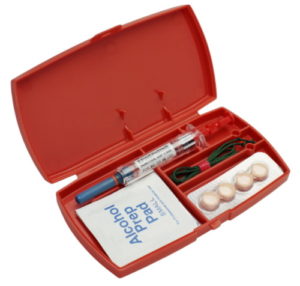
- Match your first aid training to your activities: basic first aid for home and workplace, include cpr course with AED for sporting activities and water, think about wilderness modules for remote trips. Check your first aid certificate expiry and book a cpr correspondence course if you are beyond 12 to 24 months given that your last session. Audit and restock kits: outdated products like sticky dressings, sterile saline, and medications break down; change missing out on gloves, gauze, and melt dressings. Identify AED places at your routine locations and map the quickest paths in. If you have one, examination pads and batteries. Set duties for recurring occasions: one person in charge of the kit, one learnt first aid and cpr, one designated to call EMS if needed.
The list above lives well on a fridge or in a team chat. It is brief deliberately. Anything much longer collects dust.
How to pick the right training course and provider
Not all first aid courses meet the same standard. Aim for programs that line up with national or global standards, update material each year, and consist of situation practice, not just powerpoint. Great suppliers divulge the scope plainly: what you will find out, how much time it takes, the ratio of pupils to trainers, and the credential you receive at the end.
For lots of people, the baseline training course is a combined first aid cpr courses Gympie and cpr course that covers bleeding control, burns, fractures, clinical emergency situations like bronchial asthma and anaphylaxis, and premium CPR with AED usage. If your work or volunteer function places you around kids, request pediatric components. If you invest weekend breaks by the water, choose a training course that emphasizes sinking acknowledgment and rescue breathing. If you take care of groups or events, ask whether the training course includes case command essentials and just how to collaborate bystanders.
The value of a first aid pro as a trainer is their case-based training. They will share real resuscitations, heat breaks down, or anaphylaxis events and reveal you just how they navigated the unpleasant details. They will likewise test you with what-if circumstances: what if the AED falls short to assess, suppose the hurt runner declines care, suppose lightning strikes near your field and you need to clear numerous people in mins. Those discussions develop judgment greater than memorizing steps.
Finally, prepare for refresher courses. Most licensing bodies established first aid certificate validity in between 2 and three years and advise yearly cpr refresher course sessions. Abilities decay is not a moral stopping working, it is humanity. Short, hands-on refreshers keep compressions deep, breaths effective, and decision trees clear.
When to skip heroics and call for assistance early
Experience instructs restriction. There are times when first aid has to do with control while expert help sets in motion. A float-plane mishap, a subconscious scuba diver, a believed spinal injury in surf, or a breast discomfort situation in a middle-aged spectator who looks grey and sweaty - your finest step is to call quickly, maintain the individual still, and prepare to start CPR if needed. Do not be shamed by a false alarm. Dispatchers would rather terminate an action than show up late to a preventable catastrophe.
At huge events, we present a jogger at the nearby cross road to fulfill paramedics. In remote settings, we lug a billed satellite communicator. Around water, we practice signals and have toss ropes accessible. These methods cost bit, and they purchase speed.
The summer state of mind: plan, notification, act
Safety in summertime boils down to 3 behaviors. Plan with the weather condition and your group's capabilities in mind. Notice the refined indicators when individuals wander towards difficulty: the silent swimmer, the flushed jogger that is not sweating, the kid who is all of a sudden too silent near the swimming pool, the guest who keeps scrubing their upper body. Act early with straightforward, decisive steps rather than waiting on quality that seldom shows up all at once.
Competence is not good luck. It is found out. Whether you register for a neighborhood first aid course, publication cpr training with your sports club, or dedicate to a first aid and cpr courses pack that checks off your first aid certificate for the year, the financial investment pays across numerous small moments you will barely bear in mind and minority large ones you will never forget.

Summer intensifies joy and risk in equivalent procedure. Furnish on your own to tip the balance.